




How to Build a Consistent Dog Walking Routine (Even on Busy Days)

Life gets busy. Between work, family, errands, and everything in between, it’s easy for dog walks to feel rushed, inconsistent, or sometimes skipped altogether. But for dogs, routine matters more than we often realize. A consistent walking schedule helps with behavior, stress levels, and overall well-being. The good news is that consistency doesn’t mean long or complicated walks. It means showing up regularly, even on your busiest days.
Here’s how to build a dog walking routine that actually works with your life instead of against it.
Why Consistency Matters More Than Length
Many dog parents think a “good walk” has to be long or exhausting. In reality, dogs benefit more from regular, predictable walks than from occasional long ones. Consistency helps dogs know what to expect, which reduces anxiety and unwanted behaviors like restlessness, excessive barking, or pulling on the leash.
A short, calm walk at the same time every day can be more grounding for your dog than a long walk that only happens once or twice a week.
Start With Your Real Schedule
The biggest reason routines fail is that they’re built around an ideal day, not a real one. Instead of aiming for perfection, look at your actual schedule.
Ask yourself:
-
When do I already step outside each day?
-
What time feels most realistic, not just convenient?
-
Where can a walk naturally fit into my routine?
For some people, it’s a morning walk before work. For others, it’s a short walk after dinner. Choose a time you can stick to most days, even if the walk is only 10 to 15 minutes.
Keep Walks Simple on Busy Days
Not every walk needs to be an adventure. On busy days, the goal is movement, connection, and mental stimulation, not distance.
A consistent routine might look like:
-
A short sniff walk around the block
-
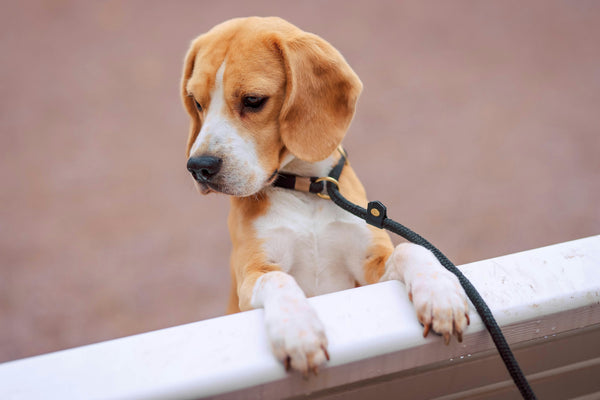
A calm walk focused on loose-leash behavior
-
A quick potty walk paired with a few minutes of engagement
Giving yourself permission to keep walks simple makes it much easier to stay consistent.
Make Walking Easier, Not Harder
When walking feels like a chore, it’s more likely to get skipped. Set yourself up for success by reducing friction.
Small changes help a lot:
-
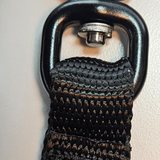
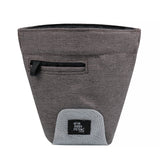
Keep your leash, harness, and poop bags in one place
-
Choose gear that feels comfortable and easy to use
-
Avoid overloading yourself with too many things to carry
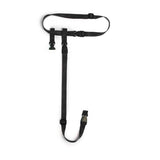
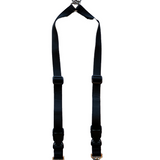
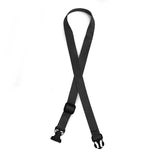
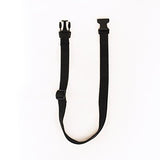
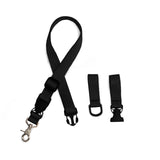
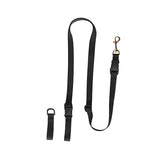
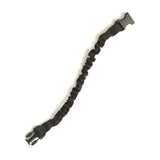
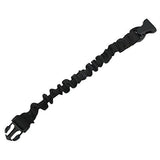
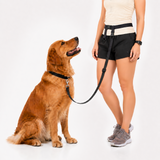
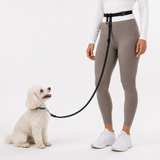
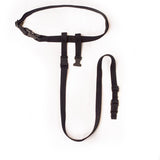
Hands-free walking can be especially helpful on busy days when you’re juggling coffee, a phone, or a child. The easier it is to step out the door, the more likely you’ll do it.
Use Walks as Mental Enrichment
Consistency isn’t just about physical exercise. Dogs experience walks mainly through their senses, especially smell. Allowing your dog to sniff, pause, and explore helps meet their mental needs, even on shorter walks.
A 10-minute walk with sniffing can be just as satisfying as a longer, rushed walk. Let your dog lead occasionally, slow down, and treat walks as enrichment time, not a task to check off.
Anchor Walks to Existing Habits
One of the simplest ways to build consistency is to attach walks to habits you already have.
For example:
-
Walk your dog right after your morning coffee
-
Go for a walk immediately after getting home from work
-
Pair the walk with your evening wind-down routine
When a walk becomes part of something you already do every day, it feels less optional and more automatic.
Be Flexible, Not Rigid
Consistency doesn’t mean rigidity. Some days will be shorter, later, or quieter than others, and that’s okay. What matters is maintaining the habit overall, not following a perfect schedule.
If you miss a walk, don’t overthink it. Reset the next day and move on. Dogs thrive on patterns, but they also adapt well when their humans stay calm and flexible.
Pay Attention to What Works for Your Dog
Every dog is different. Some dogs prefer calm, predictable walks, while others need more movement to release energy. Watch how your dog responds and adjust the routine accordingly.
Signs your routine is working include:
-
Calmer behavior at home
-
Better leash manners
-
Improved focus on walks
-
More relaxed energy overall
Your dog will tell you what they need if you pay attention.
Final Thoughts
Building a consistent dog walking routine isn’t about doing more. It’s about doing what’s realistic, repeatable, and sustainable. Even on busy days, a short, intentional walk can strengthen your bond and improve your dog’s quality of life.
Consistency builds trust. And over time, those small daily walks add up to something much bigger: a calmer, happier dog and a routine that works for both of you.
0 Comments