









Scentwork vs Obedience Training: Which Is Better for Your Dog’s Well-Being?

Scentwork and obedience training support dogs in different ways. Research shows obedience training improves focus and responsiveness, while scentwork boosts mental enrichment and quality of life. Learn how each training style affects your dog’s behavior and well-being, and how to choose the right fit for your pup.

Full Article  →

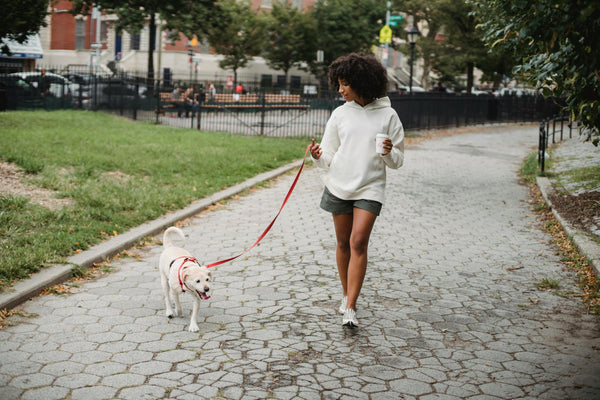
How to Walk Your Dog While Carrying Coffee, Groceries, or a Stroller

Walking your dog while juggling coffee, groceries, or a stroller can feel overwhelming. Learn practical, real-life tips to stay balanced, safe, and in control so daily walks fit smoothly into even the busiest routines.
Full Article  →

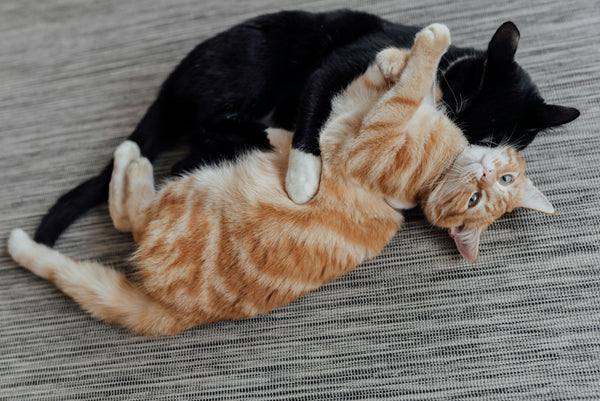
Introducing a New Cat to Your Home: What Science Says Actually Works

Introducing a new cat isn’t always straightforward. A recent study looks at what actually happens when cats meet for the first time and whether common introduction methods really help. Learn what factors matter most and how to set your cats up for a smoother transition.
Full Article  →

How to Build a Consistent Dog Walking Routine (Even on Busy Days)

Busy days don’t have to mean skipped walks. Learn how to build a consistent dog walking routine that fits real life, keeps your dog calm and happy, and works even when your schedule feels full. Small, simple habits make all the difference.

Full Article  →

How to Prepare Your Dog for the Holiday Season: A Simple Pet Parent Guide

The holidays can be exciting and overwhelming for dogs. From keeping routines steady to managing guests, travel, and decorations, here’s how to help your pup stay safe, calm, and happy all season long. Make the holidays smoother for you and your dog with these easy tips.
Full Article  →

Kibble vs. Raw: What Really Happens Inside Your Dog’s Body

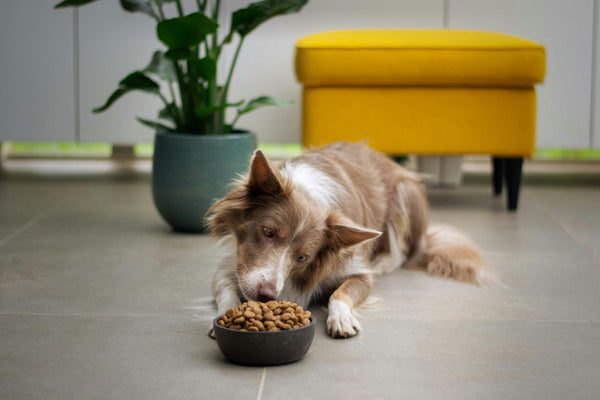
A new study compared kibble and raw diets to see how each affects dogs’ metabolism, weight, and energy use. Find out what happens inside your dog’s body on each diet—and why the best choice depends on balance, health, and lifestyle.

Full Article  →

You and Your Cat: What Really Shapes the Bond Between You

Not all cat-owner relationships feel the same. A new study reveals what makes bonds stronger – like adoption, understanding cat behavior, and time spent together—and what weakens them, from long hours alone to behavior issues. Here’s what really shapes the connection between you and your cat.
Full Article  →

What Science Says About Dogs on Walks: The Leash Effect

Walking the dog is more than exercise–it’s a social and sensory adventure. A UK study shows how leashes change behaviour, from sniffing to socializing. Learn why off-leash time matters, when a leash is safer, and how the right gear can make walks easier for you and your pup.
Full Article  →

The Rise of Pet-Friendly Hotels: What Travelers Really Want

More people are traveling with their pets, and hotels are working hard to keep up. A new study reveals what guests really care about in pet-friendly hotels—clean rooms, safe pet areas, and friendly staff top the list, while barking and odors are the biggest turn-offs.
Full Article  →

What Really Makes Us Pick Our Dog’s Kibble? A Peek Into Pet Owners’ Choices

A new study shows pet parents choose dry dog food mostly based on how it looks—not smell, price, or even nutrition. Learn why kibble color and shape matter more than we think, and how our human biases shape what we feed our dogs.
Full Article  →

Indoor vs. Outdoor Cats: How Lifestyle Choices Affect Care, Interaction, and Welfare

Indoor cats often receive more attention and structured care, while outdoor cats enjoy freedom and natural stimulation. This research-based guide explores how each lifestyle affects feline health, behavior, and your relationship with your pet—and how to find the right balance.
Full Article  →

How Dogs Show Emotion Through Their Faces: What the Research Says

A scientific study shows that dogs display different facial expressions when they’re excited versus when they’re frustrated. Understanding these subtle cues can help dog owners respond more thoughtfully to their pets’ emotional needs.
Full Article  →