

How to Walk Your Dog While Carrying Coffee, Groceries, or a Stroller

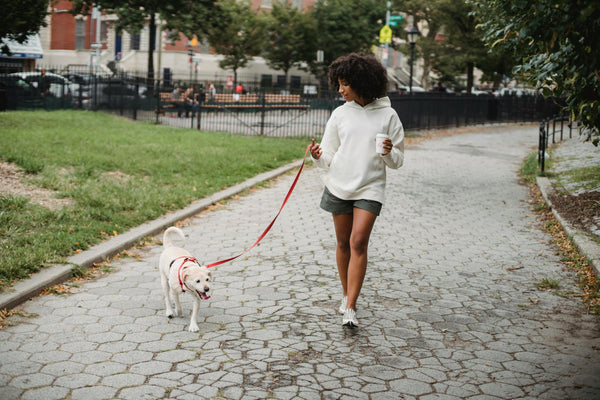
If you’ve ever tried walking your dog while holding a coffee, a grocery bag, or pushing a stroller, you already know the struggle. One sudden pull, one distracted moment, and suddenly your coffee’s on the sidewalk or your shoulder is taking the hit. For many dog parents, this isn’t an occasional situation — it’s everyday life.
The good news is that walking your dog while carrying other things doesn’t have to feel chaotic. With the right setup, habits, and mindset, it can actually feel smooth and manageable.
Here’s how to make it work.
Start With Safety First
Before anything else, safety matters more than convenience. When your hands are occupied, you need to make sure your dog is securely attached and under control.
That means:
-
Your dog should be wearing a properly fitted harness, not just a collar
-
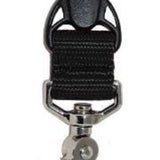
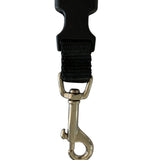
The leash attachment should be strong and reliable
-
You should feel balanced and stable when your dog moves
If your dog is still very reactive or pulls hard, it’s best to work on leash manners first before adding coffee cups or grocery bags into the mix.
Choose the Right Leash Setup
Traditional hand-held leashes weren’t designed for multitasking. When your hands are full, gripping a leash tightly can lead to tension, strain, or dropped items.
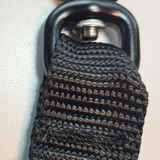
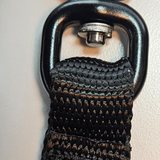
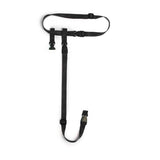
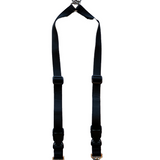
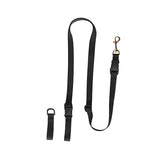
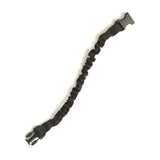
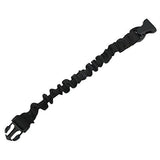
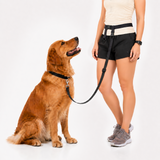
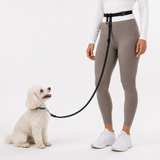
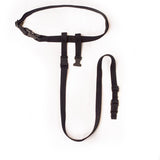
A hands-free leash setup allows your dog’s movement to stay connected to your body instead of just your wrist. This keeps your center of gravity steady and helps absorb movement more naturally. It also frees your hands so you can focus on what you’re carrying — or on your surroundings.
The key is using a setup that feels secure, adjustable, and comfortable around your waist or hips.
Keep Loads Light and Balanced
Whether it’s groceries or a stroller, balance is everything. Carry lighter items when possible and distribute weight evenly. If you’re holding bags, try splitting them between both sides of your body rather than loading one arm.
When pushing a stroller, keep your posture upright and avoid leaning forward too much. Your dog will naturally pick up on shifts in your balance, so staying centered helps prevent sudden jerks or missteps.
Stick to Familiar Routes
This isn’t the time to explore new paths or busy areas. Choose routes you already know well — sidewalks with good visibility, fewer distractions, and predictable traffic.
You’ll be more relaxed when you know what’s coming next, and your dog will sense that calm. Familiar routes also reduce surprises that could trigger pulling or sudden stops.
Set Expectations Before You Leave
A calm walk starts before you step outside. Take a moment to help your dog settle before heading out. This can be as simple as:
-
Waiting calmly at the door
-
Asking for a sit before attaching the leash
-
Starting the walk at a slower pace
These small pauses signal to your dog that this isn’t a high-energy outing. When expectations are clear, dogs are more likely to stay relaxed — which is essential when your hands are full.
Use Short Walks on Busy Days
Not every walk needs to be long or adventurous. On days when you’re juggling errands or responsibilities, short, purposeful walks are often better.
A calm 10–15 minute walk can still meet your dog’s needs, especially if you allow time for sniffing and exploration. Sniffing provides mental stimulation, which helps compensate for shorter distances.
Be Mindful of Leash Length
When multitasking, shorter leash control is usually safer. Too much slack can allow your dog to drift into your path or get tangled around what you’re carrying.
Adjust your leash length so your dog stays close enough to move with you, but not so close that movement feels restricted. The goal is steady, predictable positioning.
Practice Makes It Easier
If walking with extra items feels awkward at first, that’s normal. Start small. Try carrying one item at a time and gradually build up to more.
The more consistent you are, the more your dog will learn what’s expected. Over time, these walks become second nature — just another part of your routine.
Final Thoughts
Walking your dog while carrying coffee, groceries, or pushing a stroller isn’t about doing everything perfectly. It’s about finding systems that support real life.
With the right leash setup, realistic expectations, and a calm approach, multitasking walks can feel safer, easier, and far less stressful. And when walking fits seamlessly into your daily routine, consistency becomes much easier — for both you and your dog.
0 Comments